

Rediscovering Biblical Masculinity Through Brotherhood, Challenge, and Spiritual Fire.
In every age, God has formed men through fire.
Not the fire of destruction, but the fire of testing—the kind that reveals what is true, burns away what is false, and prepares a man to stand firm in obedience to Christ. Scripture is clear: faith that has not been tested has not yet been proven.
Throughout time and in all ages, men have answered this call by ordering their lives around prayer, discipline, and brotherhood. Like the knightly orders who understood that strength must be trained and loyalty must be vowed, these men submitted themselves to a rule of life so that they might serve Christ faithfully when the cost was high.
The Crucible exists to call men into that refining fire.
A call to holiness.
A call to readiness.
A call to faithful service under the Lordship of Christ the King.

Vision
Help a generation of men to become Godly and thus feared by Satan.
We are raising up a generation of Godly men who are feared by Satan. The Crucible forms men who reject passivity, accept responsibility, lead with humility, and fight for righteousness in their homes, churches, and communities.
These trials will show that your faith is genuine. It is being tested as fire tests and purifies gold – though your faith is far more precious than mere gold. So, when your faith remains strong through many trials, it will bring you much praise and glory and honor on the day when Jesus Christ is revealed to the whole world.” I Peter 1:7 NLT
Strength. Honor. Purity. Purpose.
What Exactly is the Crucible?
The Crucible is a brotherhood formed for the sake of Christian faithfulness.
It exists because discipleship is not sustained in isolation. From the beginning, Christ formed His followers through sharing life, calling men to walk together, submit to teaching, confess sin, pray for one another, and learn obedience through practice. Faith was never meant to remain private or untested.
Throughout the life of the Church, men have gathered in small, committed brotherhoods to pursue holiness together. These were places of truth-telling and accountability, where discipline was embraced not as punishment, but as a means of grace. Men learned to order their lives around prayer, Scripture, and obedience, so that their faith might endure when tested.
The Crucible exists to recover this way of formation.
It is a place where men commit themselves to one another for the sake of following Christ faithfully—submitting to shared practices, guarding one another’s integrity, and learning to live under discipline so that their lives may be ordered toward God.
This is not a space for performance or recognition.
It is a place for obedience, perseverance, and growth in Christlikeness.
Entering the Crucible
To enter the Crucible is to step into a disciplined way of life.
Men do not enter as spectators. They enter as participants—willing to be shaped through obedience, consistency, and brotherhood. From the beginning, each man understands that the Crucible is not something added onto life, but something that reorders it.
Each brotherhood is formed with six men. Like a company of knights united under a single coat of arms, these men commit themselves to a shared identity and way of life—not defined by individual strength, but by common allegiance and purpose. Each man carries his own story and struggles, yet stands alongside others under the same vows.
These brotherhoods are the heart of the Crucible. They are small enough for honesty, yet strong enough for endurance. No man is anonymous. Each is known, expected to show up, and called to speak truthfully about his life. What is shared within the brotherhood is guarded with honor and trust.
Brotherhoods may remain independent, living the Crucible way of life quietly and faithfully. They may also unite with other brotherhoods to form a local chapter—gathering periodically for shared teaching, prayer, and formation—while still maintaining the integrity and intimacy of their six-man groups.
Whether standing alone or gathered as a chapter, each brotherhood remains rooted in the same rule of life, united under the same banner, and committed to the same calling: to be formed together as men of God.

Six men under One banner for One King
Throughout Christian history, a coat of arms was not decoration—it was a declaration.
A knight’s coat of arms did not exist to exalt the individual, but to remind him who he served, what he vowed, and the standard under which he stood. It marked identity, allegiance, and responsibility. To wear it was to live in a way worthy of it.
In the Crucible, each brotherhood of six men stands together under a shared symbolic coat of arms. This does not signify rank or achievement, but commitment. It represents a common rule of life, shared discipline, and a united calling to faithfulness under Christ.
The coat of arms reminds each man that he does not walk alone. He carries the weight of his brothers’ trust and the honor of the vows he has made. His choices reflect not only on himself, but on the brotherhood he represents.
To stand under a common banner is to accept accountability.
To wear the mark is to live consistently with it.
The coat of arms, then, becomes a quiet reminder of who these men are striving to become—not perfect men, but faithful ones. Men disciplined in body, soul, and mind.
Men formed together in obedience to Christ the King.
Once each week, the Crucible gathers.
Men rise early—Wednesdays at 6:30 AM—to begin the day not in haste or distraction, but in watchfulness. From different cities, campuses, churches, and homes, men scattered across the nation gather at the same hour, knowing they are not alone. Others are rising as well. Others are praying. Others are submitting themselves to the same discipline.
This hour is chosen intentionally. From the earliest days of the Church, the morning has been set apart as a time of offering. It is the first strength of the day given to the Lord. It is an act of readiness, a declaration that faithfulness comes before comfort and obedience before convenience.
The gathering lasts sixty minutes and follows a steady, ordered rhythm.
Men begin with prayer and Scripture, placing themselves again under the authority of God’s Word. From there, the brotherhood speaks honestly about the week—how the shared disciplines were lived, where faithfulness was practiced, and where struggle remains. This is not a performance, but a plain accounting of life lived before God and brothers.
Teaching follows. In local chapters, this instruction is offered by chapter leaders. In independent brotherhoods of six, teaching is provided through guided lessons, podcasts, or video resources from the Crucible. In every setting, the aim is the same: formation, not information.
Discussion and reflection allow the teaching to take root, helping men apply what they are learning to their lives. The gathering concludes with prayer—men interceding for one another by name, carrying each other’s burdens before God.
Facilitators serve the gathering by guarding the time, guiding the tone, and ensuring that each man remains engaged. Accountability is offered plainly and honestly, always inviting men to grow at a depth their brotherhood can sustain.
Week by week, this rhythm shapes men.
By gathering early.
By showing up consistently.
By speaking truthfully.
By submitting again and again to discipline and brotherhood.
This is how men are formed—not in isolation, but together, under the same rule, at the same hour, offering their lives to God.
The Weekly Rhythm.
The Crucible is lived week by week through shared practices.
These practices are simple, demanding, and intentional. They are not designed to measure worth, but to train faithfulness. The weekly point system exists to give structure to discipline, clarity to commitment, and a common rhythm for men walking the same path together.
Points are not earned for comparison.
They are kept for accountability.
Each man carries responsibility for his own faithfulness, and each brotherhood carries responsibility for one another.
The Weekly Practices
Each week, men commit themselves to the following practices. Together, they form a balanced rhythm of Scripture, rest, discipline, worship, and learning.
Daily Scripture — 2 Points
Men commit to reading Scripture each day. This practice orders the heart and mind under God’s Word, reminding each man that formation begins with listening before acting. Over the course of a year, men will have read the entire New Testament (Fall) and the Old Testament (Spring-Summer).
Weekly Sabbath — 2 Points
Men observe a 24-hour Sabbath each week. This practice trains restraint, trust, and rest—teaching men to stop striving and receive what God provides.
Physical Discipline — 2 Points
Men commit to 60 minutes of exercise per day, five days per week. This discipline is not about appearance or performance, but about stewardship, endurance, and self-mastery.
Weekly Reading — 2 Points
Men read together, allowing shared language and reflection to shape the brotherhood.
First Semester: Fight
Second Semester: Wild at Heart
Weekly Worship — 2 Points
Men attend a weekly worship service and take notes on the sermon. This practice reinforces attentiveness, humility under teaching, and integration between the Crucible and the life of the Church.
Brotherhood Beyond the Gathering — 5 Points
In addition to these practices, five points are awarded when the brotherhood meets together outside of the weekly Crucible gathering.
These moments—shared meals, prayer, conversation, or time together—strengthen trust and deepen bonds. They are not required every week, but they are strongly encouraged. Formation is accelerated when men choose proximity beyond obligation.
Faithfulness, Not Perfection
The point system is not about keeping score for pride’s sake. It is about creating a visible rule of life that helps men practice obedience consistently.
Men will have strong weeks and weak weeks. What matters is not perfection, but perseverance. The points help men tell the truth about their lives and invite their brothers to walk with them toward greater faithfulness.
This is how discipline becomes habit.
This is how habit becomes character.
This is how men are formed—together.
The Rite of Entry and the Man Card
Entry into the Crucible is marked, not casually acknowledged.
Each man who enters receives a Man Card—a tangible sign of commitment to the brotherhood and the shared way of life. It serves as a reminder of the vows he has made, the disciplines he has embraced, and the brothers who now walk beside him. The card is not a reward and not a status symbol; it is a marker of responsibility.
To carry it is to remember that a man’s life is no longer lived only for himself.
Alongside the Man Card is a rite of entry. This moment is kept reverent and private. It is not explained publicly, because its meaning is carried through participation rather than description. The rite marks a man’s willingness to submit himself to formation—to live under discipline, accountability, and brotherhood for the sake of faithfulness to Christ.
Together, the Man Card and the rite of entry signify a clear crossing: from intention into commitment, from interest into obedience.
This is how the Crucible is entered—not lightly, but deliberately.
The Resolutions
Rather than rules, these are the commitments men choose to pursue as God shapes them.
1. Pursue God daily in His Word
2. Become a man of Prayer
3. Live with Integrity and honesty
4. Grow in emotional and spiritual maturity
5. Rest Weekly and Honor God in Sabbath
6. Lock arms with brothers for strength and accountability
7. Lead with courage, humility, and servant-hearted strength
The Crucible is not for everyone.
It is not for men looking for convenience, recognition, or ease. It is for men who sense that God is calling them to live with greater faithfulness—to order their lives around obedience, discipline, and brotherhood.
This is a call to step out of isolation.
A call to submit to formation.
A call to be tested, refined, and shaped over time.
No man enters the Crucible by accident. He enters because he is willing to be accountable, to show up consistently, and to walk alongside other men under a shared rule of life. He enters because he understands that readiness is not assumed—it is trained.
If you feel the weight of this call, do not ignore it.
Gather your brothers.
Commit to the discipline.
Step into the Crucible.
King Jesus calls, Who will answer?
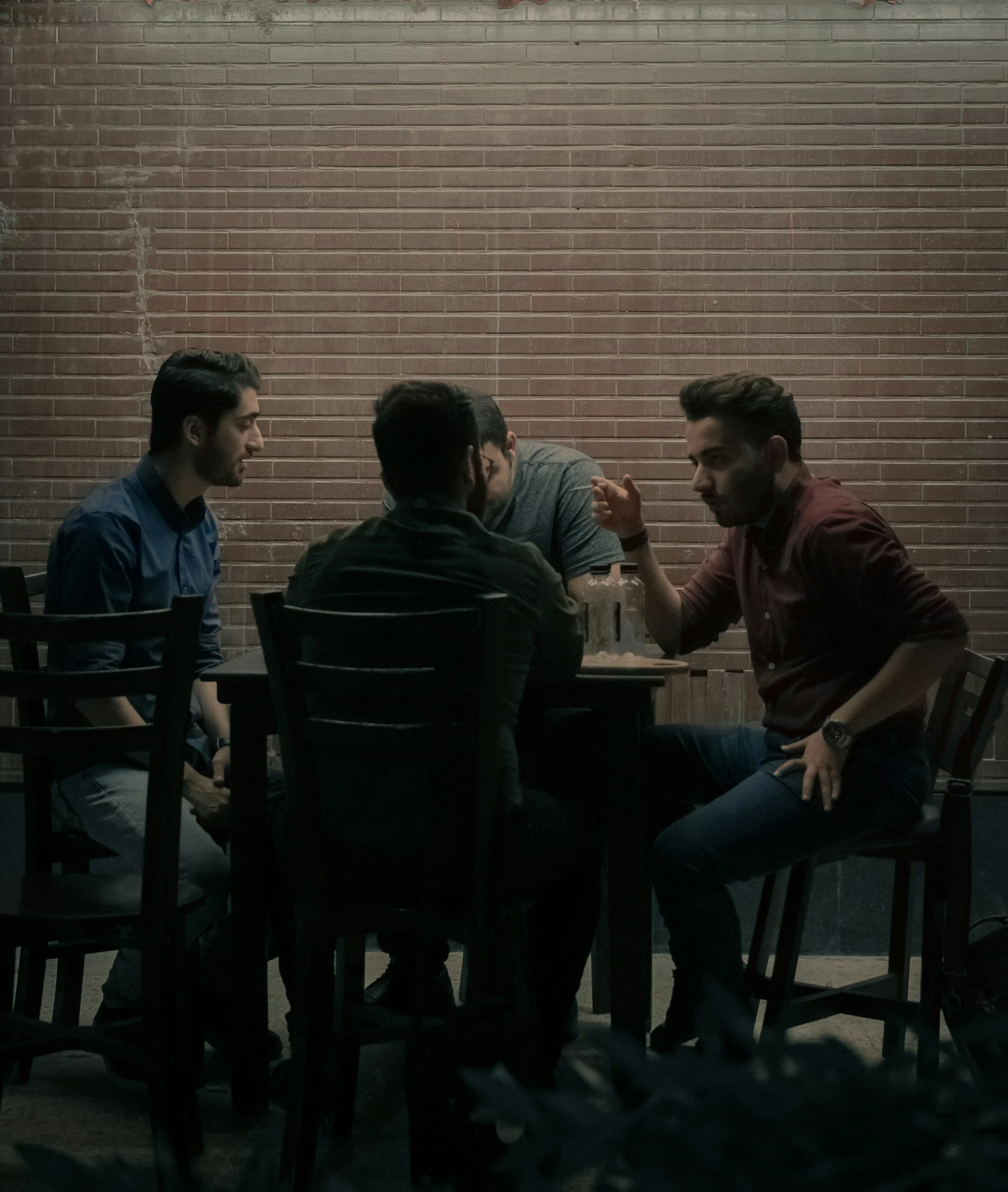
Access to the digital Crucible Curriculum for ONE member of a SIX member small group.
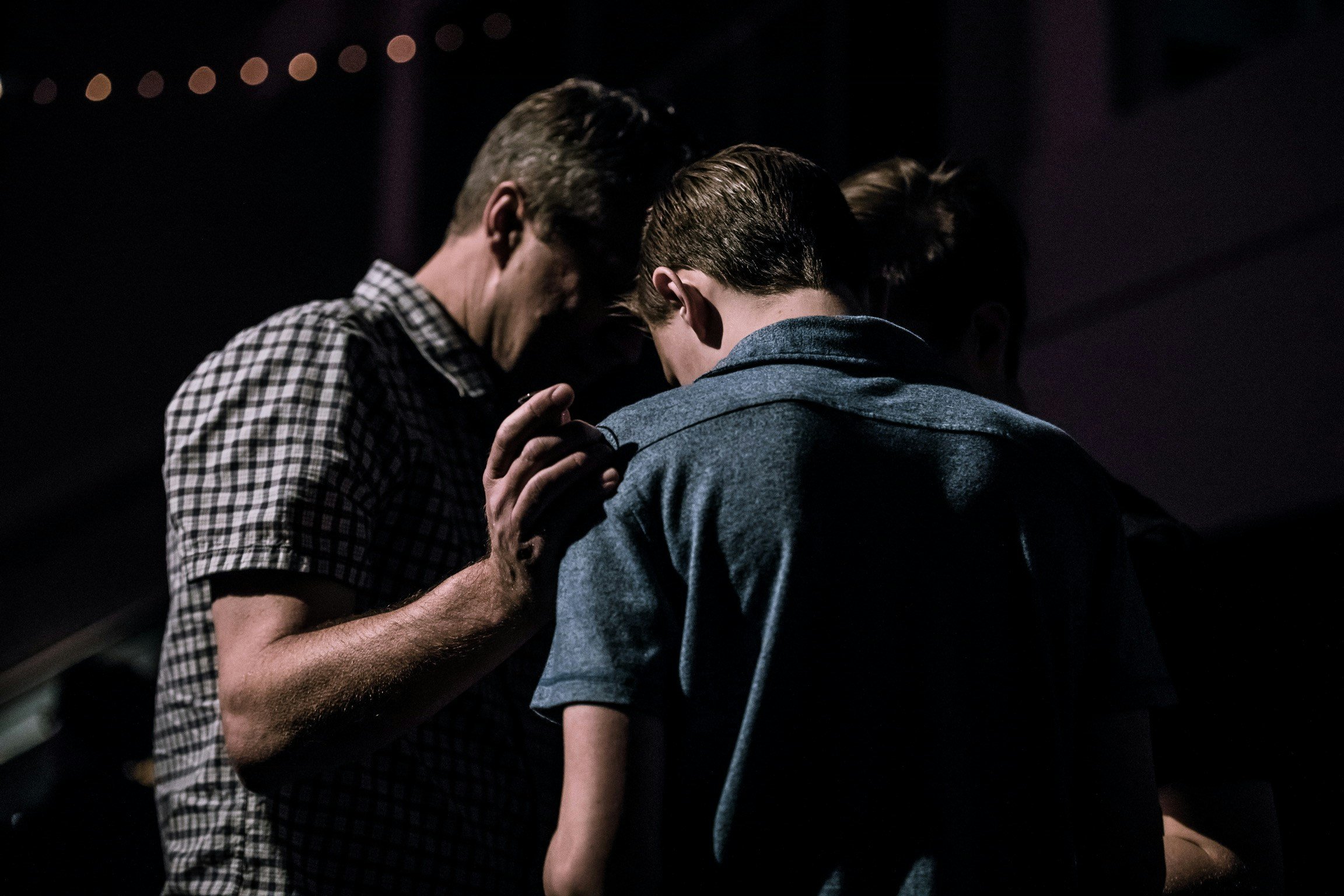
Access to teaching guides as well as additional resources to begin a chapter near you